Newsletter Subscribe
Enter your email address below and subscribe to our newsletter

 ByJohn A
Starting a new fitness routine is awkward enough without a machine you’ve never touched staring back at you. A stepper is a good one to learn, though. It gives you a proper stair-climbing workout at home or at the gym, minus the actual stairs. Getting on it is the easy bit. How you use it is what counts. Slouch, rush, or start faster than you can control and the session turns uncomfortable quickly. A few simple habits fix most of that. Here’s how to use a stepper properly, which mistakes to dodge, and how to build a routine that fits where you’re at right now.
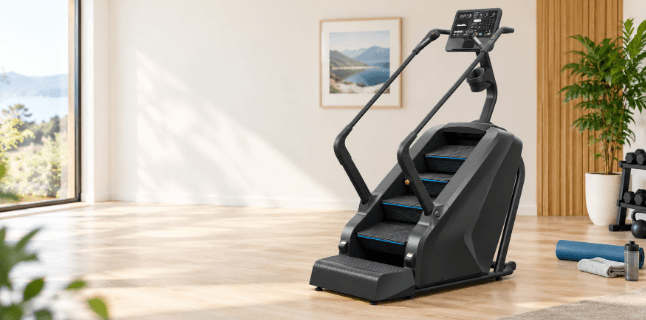
A stepper copies the motion of climbing stairs. Some models have two pedals that move independently, some use a controlled stepping mechanism, and bigger ones have rotating steps, so when you buy stepper machine Australia, know your requirements & then choose. Your quads, glutes & calves do most of the work. The smaller muscles around them keep you steady.
Short on space? A mini stepper is the usual answer, with two pedals and a short stepping range. Full-size stair climbers are sturdier, and many come with handrails or rotating steps. If you’re buying online, look at the dimensions, stability, resistance levels & what the machine is actually designed for. Buyers in Australia should also read the product specifications and warranty terms before paying.
Good technique comes down to a stable setup of rowers and trainers, controlled movement, and proper form. Get it right from your first session, and the habits will stick.
Before stepping on stair climber machine, check that the machine is assembled properly and sitting level. A wobbly stepper on a slippery floor is asking for trouble. With nobody on it, the pedals should move freely. Get on the way the manufacturer recommends, and hold the handrails if there are any.
Slow isn’t bad. Do everything at a slow pace. Low resistance would make your exercise experience working with the machine much easier. Do not hesitate to use the first couple of minutes of exercising to learn how your machine works.
Stand tall, relax your shoulders & look straight ahead instead of down at your feet. Don’t hunch forward, and don’t push your lower back into a big arch either. Staying relaxed and upright makes balance easier and keeps your legs doing the work.
First of all, position your feet in accordance with the way the manufacturer recommends them to be placed on pedals. Make sure the step taken is comfortable enough, also avoid jumping or bouncing. Some machines may shake, or even worse, your foot may slip while performing the exercise. This is a sign for you to stop and check what is happening.
Handrails are there for balance, so rest your hands on them lightly. If your arms are carrying your body weight, you’re leaning too much and your legs are missing out. Plenty of mini steppers don’t have rails at all, so follow the setup and balance advice in the manual.
People hold their breath when they concentrate, and steppers make you concentrate. Keep your breathing slow and natural, and pick a pace where you could still speak in short sentences. Getting badly out of breath? Slow down or stop for a minute.
Don’t stop dead after a hard stretch. Ease off gradually, wait for the pedals to come to rest, then step off carefully, because legs can feel wobbly after a tough effort. A few minutes of gentle walking afterwards helps you wind down.
Some small technical mistakes will make your exercises less pleasant, as well as harder than they should be. So before you buy fitness equipment online catch these mistakes, as they’ll help you create good habits from the very beginning.
Go flat out on day one & your form falls apart. Start easy, then add a few minutes or a little more resistance as your fitness improves.
Once your weight shifts onto your arms, your posture changes and your legs do less. Treat the rails as a balance aid only, and follow the machine’s guidance on safe support.
Bouncing on the pedals, taking oversized steps or rushing your reps makes it harder to stay stable. Keep your steps smooth as well as inside the range the machine was built for.
Stop if something hurts or you feel dizzy, lightheaded, or maybe just not right. See a doctor if it keeps happening; also, in case of serious symptoms like chest pain or fainting, get emergency help as quickly as possible.
Jumping into tough stepping from the start makes your workout twice as hard. Do a few minutes of easy and slow stepping first and finish your session doing the same thing.
See also: Halal Kababs, Catering, and Community Flavour: Inside The Kabab Shoppe’s Four Locations
Using a stepper well isn’t complicated. Set it up on a stable, level surface, take slow and controlled steps, watch your posture, and add more load a little at a time. Turning up regularly beats any single big session, and good form matters whether you’ve got a mini stepper at home or a full machine at the gym. When something’s unclear, read the manual or ask a trainer. You don’t need long workouts to see progress. Doing each one properly is what makes the habit easy to keep.